
How Seasonal Trends Impact Inventory Levels in Canada


Understanding Seasonal Trends in Canada
Canada experiences diverse seasonal changes that significantly impact consumer behavior and, consequently, inventory levels. Businesses must adapt their inventory strategies to accommodate these fluctuations effectively. From winter's icy grip to summer's warm embrace, each season presents unique challenges and opportunities for retailers across the country.

As temperatures begin to drop, the demand for winter apparel and equipment rises. Retailers need to anticipate this shift and ensure that their shelves are stocked with the right products. Failure to do so can lead to missed sales opportunities and dissatisfied customers. Conversely, holding too much inventory can result in increased storage costs and potential markdowns.
Winter: The Cold Reality
Winter in Canada is synonymous with snow and freezing temperatures. This season drives a surge in demand for winter clothing, snow removal equipment, and heating products. Retailers often see increased sales in jackets, boots, and other cold-weather gear. However, predicting the precise demand can be challenging due to unpredictable weather patterns.
Businesses must rely on historical data and weather forecasts to adjust their inventory levels. Collaborating with suppliers to ensure a flexible supply chain can help mitigate risks associated with overstocking or understocking during this season.
Spring: A Time for Renewal
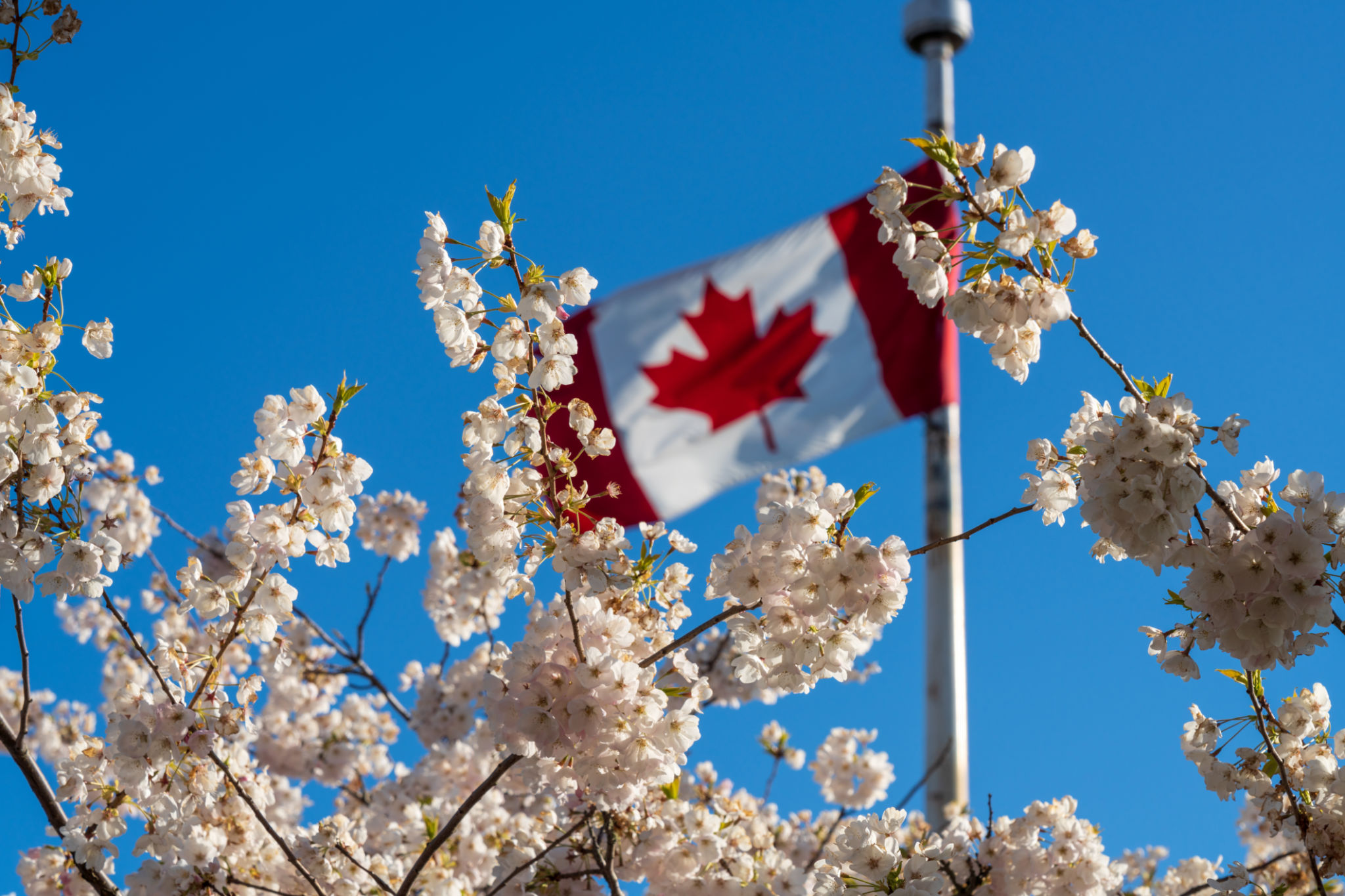
As winter fades, Canadians eagerly await the arrival of spring. This season often brings an uptick in outdoor activities, driving demand for gardening supplies, sporting goods, and lighter apparel. Retailers should shift their focus to stocking products that cater to these activities.
Spring cleaning is also a common tradition, leading to increased sales of cleaning supplies and home improvement products. Businesses can capitalize on this trend by offering promotions and tailored marketing campaigns to attract customers looking to refresh their homes.
Summer: Embracing the Outdoors
Summer is a time for festivals, vacations, and outdoor adventures. Canadians take advantage of the warm weather by engaging in camping, hiking, and other recreational activities. This shift in consumer behavior results in heightened demand for travel gear, outdoor equipment, and summer apparel.
Retailers must prepare their inventory by analyzing past sales data and considering upcoming events that may influence purchasing decisions. Offering a diverse range of products that cater to summer activities can help businesses capture the seasonal market effectively.

Fall: Preparing for the Cold
As summer fades into fall, Canadians start preparing for the colder months ahead. This transition period sees an increase in sales for back-to-school supplies, home insulation products, and warmer clothing. Retailers need to adjust their inventory strategies to accommodate these changing demands.
Fall also marks the beginning of the holiday shopping season, which can significantly impact inventory levels. Businesses should plan their stock carefully to meet the anticipated surge in consumer spending while avoiding excess inventory that might lead to post-holiday markdowns.
Strategies for Managing Inventory
Managing inventory in response to seasonal trends requires a proactive approach. Here are some strategies businesses can employ:
- Utilize data analytics to forecast demand accurately.
- Build strong relationships with suppliers for a responsive supply chain.
- Implement flexible inventory management systems to adapt to changing demand.
By understanding and anticipating seasonal trends, businesses can optimize their inventory levels, reduce costs, and enhance customer satisfaction. Adapting to Canada's seasonal changes is not just about survival; it's about thriving in a dynamic market.